



Description
BAMACTYX™ Activated Bamboo Carbon – Chunks – Agricultural
Bamboo’s natural structure. Enhanced through steam activation 750°C and 900°C 900°C.
Discover the possibilities of locally produced activated bamboo carbon—from agricultural and environmental applications to the next generation of filtration and advanced materials.
Bamboo Spirit’s BAMACTYX™ Activated Bamboo Carbon, also known as activated bamboo charcoal or ABC, is produced from bamboo and steam-activated between 750°C and 900°C. Supplied as uncrushed, ungraded chunks, it can also be crushed, milled and screened into smaller particles for applications requiring a particular size at an added cost.
What makes bamboo an excellent starting material?
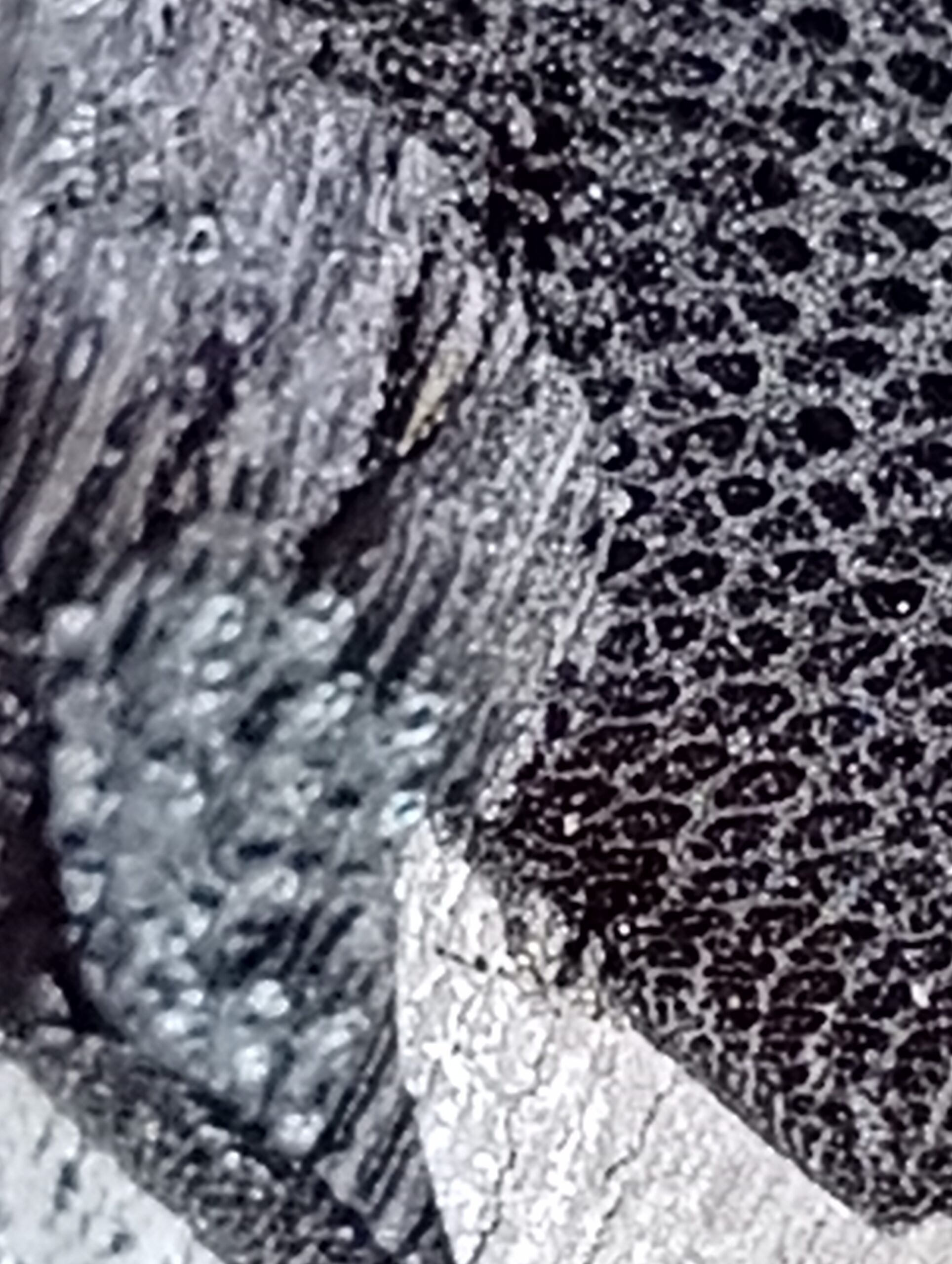
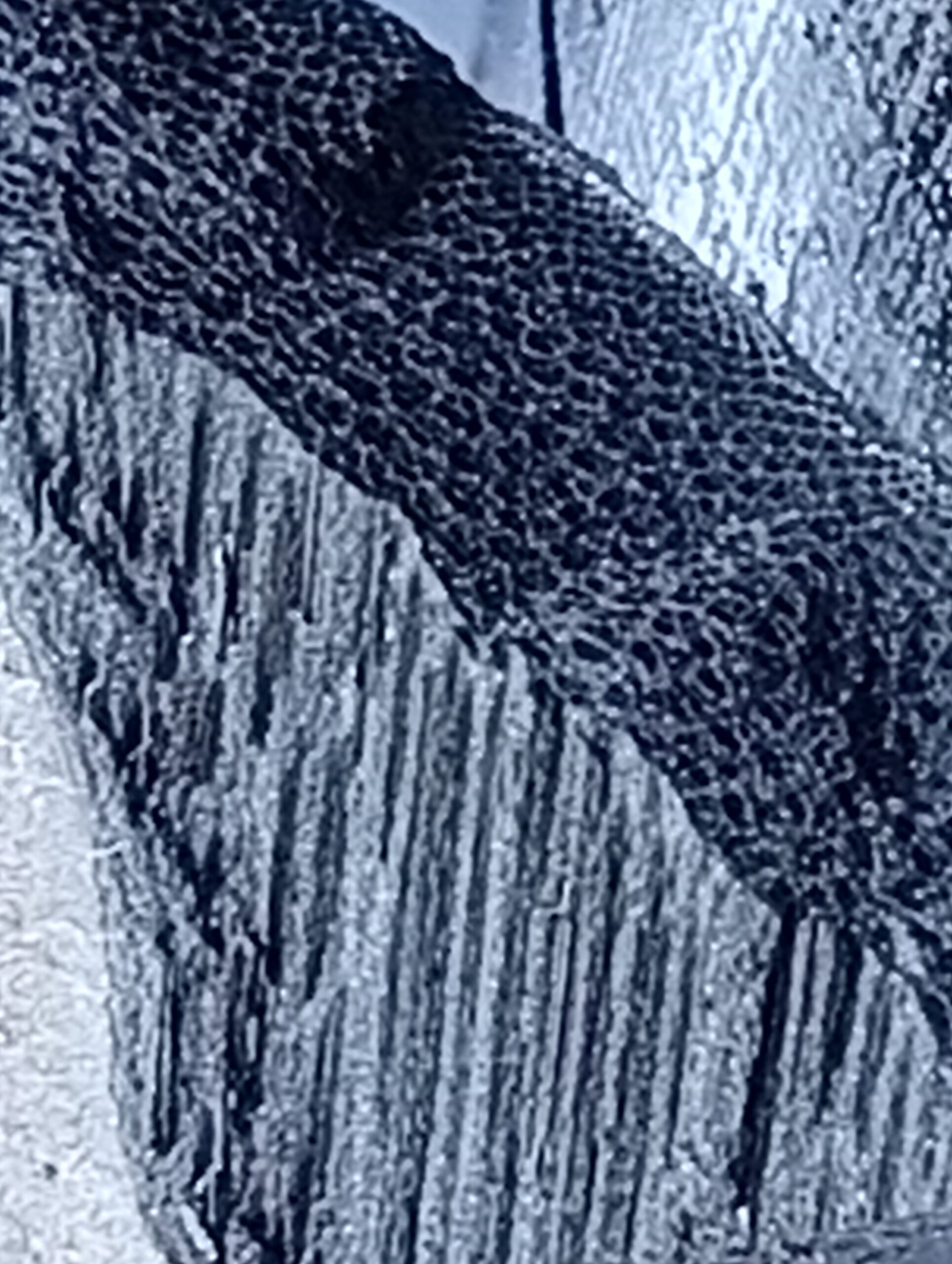
Bamboo naturally contains vessels, fibres and interconnected cellular structures. During carbonisation, some of this architecture remains as channels within the charcoal. These larger pathways can help liquids and gases reach internal surfaces, while subsequent activation develops much smaller pores where adsorption takes place.
Research on bamboo-derived carbon has demonstrated preserved vascular channels alongside additional pores created during processing. This combination makes bamboo a promising raw material for engineered adsorbents.
Bamboo’s advantage is therefore more than its renewable origin: its natural structure provides a useful foundation for developing porous carbon. However, the best carbon for a particular job depends on pore size, surface chemistry, purity and processing. Bamboo origin alone does not establish superiority over every coconut-shell, wood or coal-based activated carbon. Comparative steam-activation research demonstrates that different raw materials develop different pore structures.
Why steam activation matters
Carbonisation creates the charcoal framework. Steam activation develops it further.
At high temperatures, steam reacts with portions of the carbon, opening and enlarging pores and creating additional accessible internal surface. These surfaces can hold certain dissolved substances and gas molecules through adsorption—the attachment of molecules to a surface.
BAMACTYX™ undergoes steam activation between 750°C and 900°C. This is an important processing step, although temperature alone does not determine the finished carbon’s adsorption capacity: activation time, steam supply and the original material also matter. Published bamboo studies demonstrate how steam activation can develop highly porous carbon for adsorption applications. Their measured surface areas are research results, not specifications for BAMACTYX™.
Livestock nutrition: a promising area of development
Researchers are investigating selected charcoals, biochars and activated carbons as animal-feed ingredients. Areas of interest include binding certain unwanted substances in the digestive tract, influencing microbial communities and supporting feed utilisation under particular conditions.
Bamboo-specific research in fattening pigs reported favourable changes in intestinal microflora. Other poultry research using bamboo charcoal combined with bamboo wood vinegar found no overall improvement in production performance, illustrating why formulation, species and inclusion rate matter. These studies support further development, rather than one universal feeding claim.
For feed development, chunks can be processed into controlled particle sizes for uniform mixing. Grinding changes particle size; it does not by itself establish feed suitability. The finished ingredient, inclusion rate and complete ration should be assessed by an animal nutritionist or veterinarian before routine feeding.
Activated carbon can also bind some oral medicines, so compatibility with veterinary treatments must be considered.
Cattle, digestive gases and the rumen
The rumen is a complex microbial environment, and carbon materials are being studied for their potential to influence fermentation and methane production.
A 2024 cattle study found methane reductions of approximately 8.8–12.9% under controlled feeding conditions, but no significant methane or productivity improvement in the grazing trial. A separate dairy-cow study found no methane reduction. These findings make carbon-based feed development interesting, while showing that results depend on the material and farming conditions.
The opportunity is to develop suitable carbon ingredients that may support particular digestive processes. BAMACTYX™ is not currently presented as a proven methane remover or a treatment for bloat. Gas adsorption in a filter cannot automatically be translated into gas removal inside a living animal.
From digestion to manure: a second opportunity
Where a suitable carbon ingredient is included in an appropriately formulated ration, carbon passing through the digestive system enters an environment rich in organic matter, nutrients and microorganisms.
The resulting manure–carbon mixture may therefore carry nutrient coatings and microbial associations. This offers an interesting route towards biologically conditioned carbon for subsequent manure management and soil use. It should not be assumed that every excreted particle is colonised by beneficial organisms or has become a standardised microbial inoculant.
Research on carbon-enriched cattle manure and compost supports the potential for changes in nutrient availability, microbial activity and soil performance. Importantly, those results depend on the carbon, manure treatment and composting conditions.
The circular opportunity: bamboo-derived carbon, responsibly formulated animal-feed applications, managed manure and eventual return to the soil. Manure still requires appropriate handling and composting; carbon does not automatically make it pathogen-free.
What about ostriches?
Ostrich-feed development is a possible area for further investigation. However, research in chickens or pigs does not establish that ungraded bamboo-carbon chunks are suitable for ostriches.
For this application, the appropriate particle size, inclusion rate and safety need assessment by an ostrich nutrition specialist.
Water treatment and filtration
Activated carbon is widely used in treatment systems to reduce selected dissolved organic contaminants and compounds responsible for unwanted taste and odour. Potential applications include appropriately designed water filters, wastewater polishing and industrial treatment systems. Performance depends on the carbon, contaminant, water chemistry and contact time.
Bamboo-specific research has demonstrated the adsorption of methylene blue dye using steam-activated bamboo carbon, supporting its potential for selected wastewater applications.
BAMACTYX™ offers a bamboo-derived material for filtration development, with crushing and screening available as processing options where a controlled particle size is needed. Ungraded chunks are not automatically interchangeable with specified granular filter media, and carbon alone does not guarantee safe drinking water.
Soil, compost and microbial carrier applications
Carbon materials can provide surfaces for microbial attachment and interact with nutrients and organic compounds. Research on biochar in cattle-manure compost has found changes in microbial biomass and nutrient retention, making compost enrichment and microbial-carrier development worthwhile areas to explore. These findings concern particular biochars and compost systems, rather than verified BAMACTYX™ performance.
Potential projects include incorporating suitable carbon into compost, developing conditioned carbon–organic matter blends and investigating microbial carriers. The material should be matched to the intended soil or compost system.
Carbon used to capture pollutants must be assessed before reuse: capturing a contaminant does not mean destroying it.
New technologies expanding bamboo carbon’s possibilities
Bamboo-derived carbon is attracting research interest well beyond conventional charcoal:
- Advanced wastewater treatment: A 2025 study investigated bamboo-waste-derived carbon for removing ibuprofen from water, demonstrating interest in pharmaceutical-contaminant treatment.
- Magnetically recoverable adsorbents: Researchers have modified bamboo activated carbon with magnetite to investigate fluoride removal and easier recovery of the adsorbent. This requires additional engineering beyond steam activation.
- Air-treatment materials: Engineered bamboo-derived carbons are being investigated for formaldehyde adsorption. These specialised materials are distinct from ordinary charcoal chunks.
- Energy storage: Bamboo-derived activated carbons have been developed for supercapacitor electrodes, where controlled pore structures help store electrical charge.
- Microbial fuel cells: Research has used bamboo-derived carbon as an electrode material in systems that link microbial activity with electricity generation.
These technologies show the breadth of bamboo carbon’s possibilities. They involve tailored materials and processing, rather than capabilities automatically provided by an agricultural bag of BAMACTYX™.
Testing and product development
Bamboo Spirit is undertaking product testing, including planned heavy-metal analysis. Confirmed results will be added to our product information as they become available.
Research discussed here concerns activated carbon, bamboo charcoal or biochar materials studied by other researchers. It identifies opportunities but does not guarantee the performance of the finished BAMACTYX™ product. Feed, food, drinking-water and medical applications each require suitability assessment beyond heavy-metal testing. Our agricultural chunks are not a substitute for veterinary medicinal charcoal in poisoning emergencies.
Explore the possibilities with Bamboo Spirit
Available in 1 kg, 2 kg, 5 kg, 10 kg and 25 kg bags.
Whether you are developing an agricultural application, a filtration system or a new bamboo-based material, contact us to discuss BAMACTYX™ and your requirements.
Locally produced. Steam-activated 750°C and 900°C. Bamboo-derived carbon with possibilities across industries.


Reviews
There are no reviews yet.